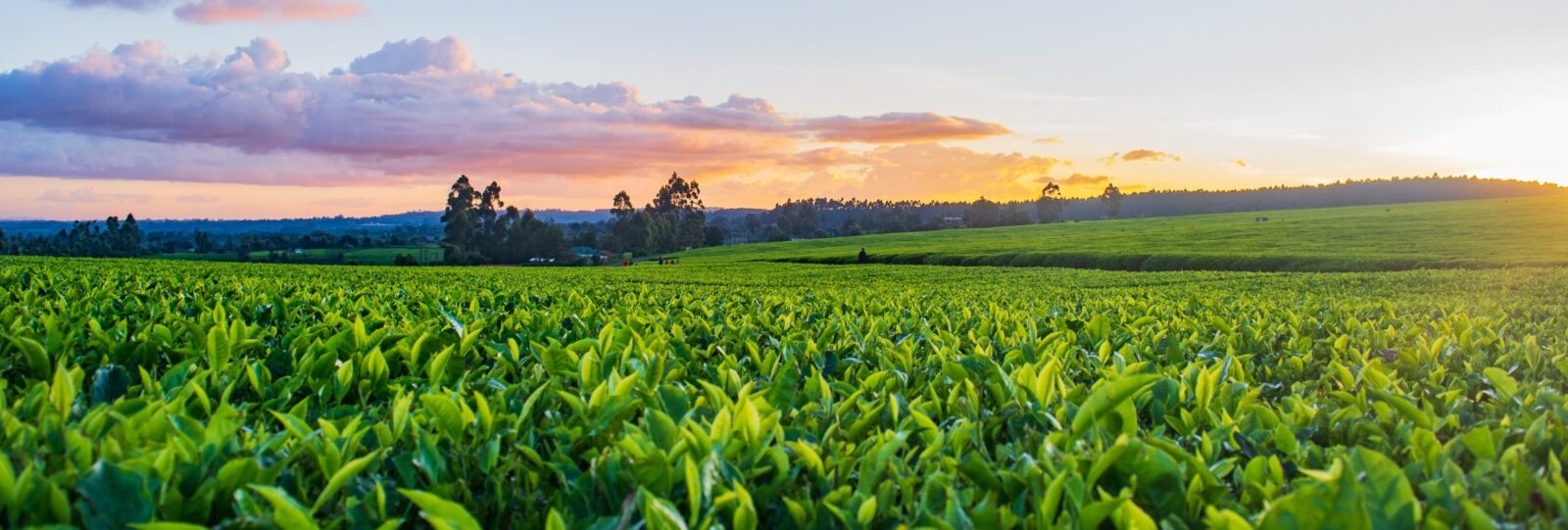
Agriculture
Food and Agriculture Security at Wisconsin
Supports: Biomanufacturing · Contested Logistics
Food security is national security, and few universities offer the strength Wisconsin can. UW–Madison was built as a land-grant institution to serve agriculture, and more than 175 years later, the College of Agricultural and Life Sciences anchors one of the world’s great food and agricultural research enterprises: the science of safe food, resilient farms, secure supply chains, and the biosecurity of the nation’s food animals — in the heart of America’s Dairyland.
Research Strengths
food safety & food defense · foodborne pathogens & toxins · animal disease surveillance & diagnostics · livestock vaccines & countermeasures · plant pathology & pest management · crop genetics & plant biotechnology · soil & agroecosystem science · dairy science · agricultural extension & outreach · plant & pest diagnostics · food systems resilience
Built to Serve Agriculture
The College of Agricultural and Life Sciences (CALS) is the land-grant college at the heart of one of the world’s great research universities, spanning the full science of food and agriculture from the molecule to the market.
The Disciplines
Plant pathology, entomology, food science, animal and dairy sciences, bacteriology, biochemistry, genetics, soil and environmental sciences, plant and agroecosystem sciences, biological systems engineering, nutritional sciences, and agricultural economics — the college’s academic departments cover every link in the chain from seed and soil to safe food and stable supply.
Statewide Reach
Twelve agricultural research stations across Wisconsin — from Arlington’s 2,000-plus acres of prime cropland and livestock facilities to the old-growth forests of the Northwoods — serve as outdoor laboratories where campus science meets real conditions, and where resilient crops, herds, and biosecurity practices are proven before the nation’s food supply depends on them, carrying on the Wisconsin Agricultural Experiment Station the legislature established in 1883. The state-funded Dairy Innovation Hub adds $7.8 million a year for dairy science.
A Heritage of Discovery
Founded in 1889, the college is where the butterfat test that built the dairy industry was invented, where the single-grain experiment founded the science of nutrition, and where vitamin D fortification and warfarin were discovered — the breakthroughs that created the Wisconsin Alumni Research Foundation, the founding supporter of WINS. Discovery that serves the public is the college’s oldest tradition.
Anchors & Assets
Food Research Institute
The portal to food safety at UW–Madison — research on foodborne pathogens, toxins, and food defense that protects what the nation eats, in partnership with industry and the agencies that regulate the food supply.
Agricultural Biosecurity on the Front Line
The Wisconsin Veterinary Diagnostic Laboratory is a national leader in the response to H5N1 avian influenza — testing milk from every dairy farm in Wisconsin every month — while School of Veterinary Medicine researchers work on vaccines and countermeasures for the diseases that threaten the nation’s herds and flocks.
USDA on Campus
The U.S. Dairy Forage Research Center — a USDA Agricultural Research Service center headquartered on the UW–Madison campus with food security in its mission statement — is expanding its long partnership with the university through a $55 million research facility opening in 2027.
Crop & Dairy Innovation
The Wisconsin Crop Innovation Center — a 100,000-square-foot plant biotechnology complex with a state-of-the-art transgenic plant laboratory — joins the Center for Dairy Research, the Dairy Innovation Hub, and a statewide network of agricultural research stations in translating science into what farmers grow and the nation eats.
From Research to Practice
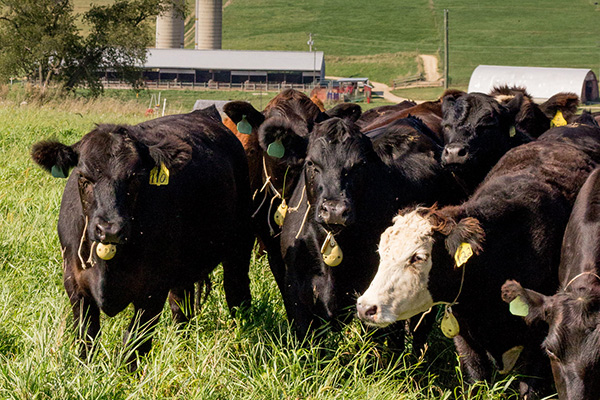
The UW–Madison Division of Extension’s Agriculture Institute carries research to every Wisconsin county — crops and soils, dairy, livestock, farm management, and water quality programs that put new science, and new biosecurity practices, to work on the state’s farms and in its food industry.
Extension is also the state’s agricultural early-warning network. The Plant Disease Diagnostics Clinic, the Insect Diagnostic Lab, and county offices statewide give every producer a path to a university diagnosis, and disease tracking tools show what is emerging across the state before it spreads.
The Dual-Use Imperative
Agriculture may be the ultimate dual-use domain — the same science serves the family table and the strategic reserve. Food safety research protects every consumer. Disease surveillance in animals is the early-warning system for the next pandemic — the H5N1 response is public health in action. Crop and dairy innovation strengthens rural economies, and resilient farms feed communities in good times and crises alike.
Why It Matters
The food supply is a strategic asset — and a target. Agricultural biosecurity defends the nation’s herds, flocks, and crops against threats natural and deliberate. Food logistics are contested logistics: feeding service members and the nation depends on supply chains that hold under stress. And global food insecurity is a driver of instability the mission must reckon with — which makes the science of producing more, safer food a security capability in its own right.
WINS connects mission partners to Wisconsin’s food and agriculture researchers, laboratories, and the land-grant network behind them.